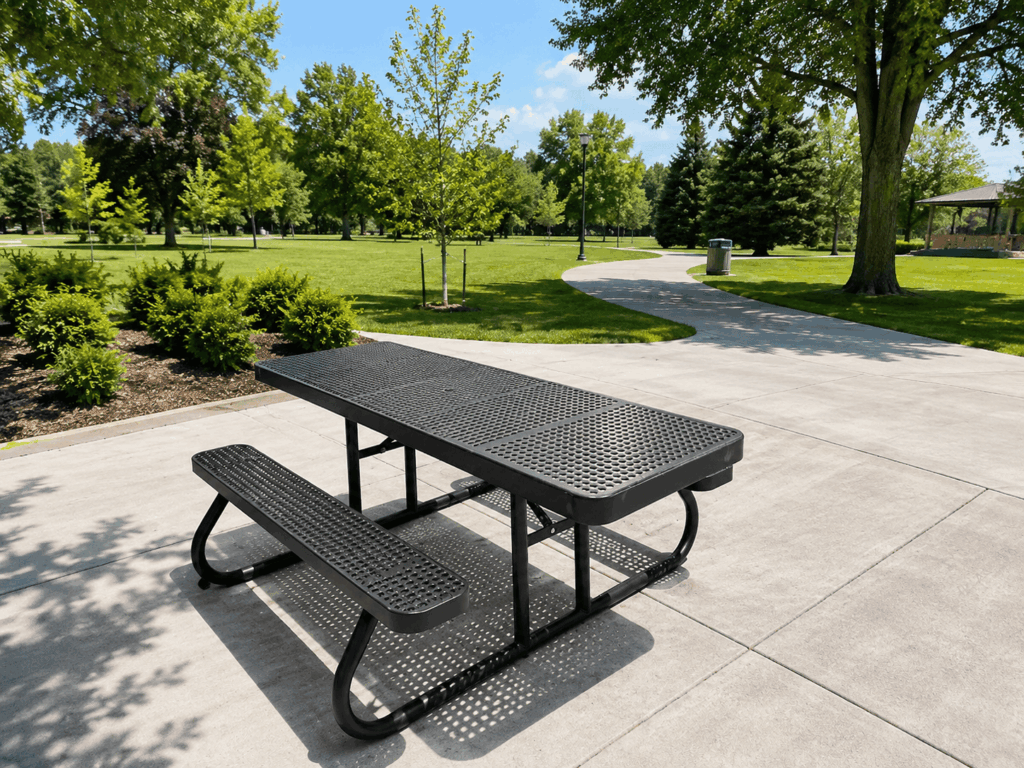
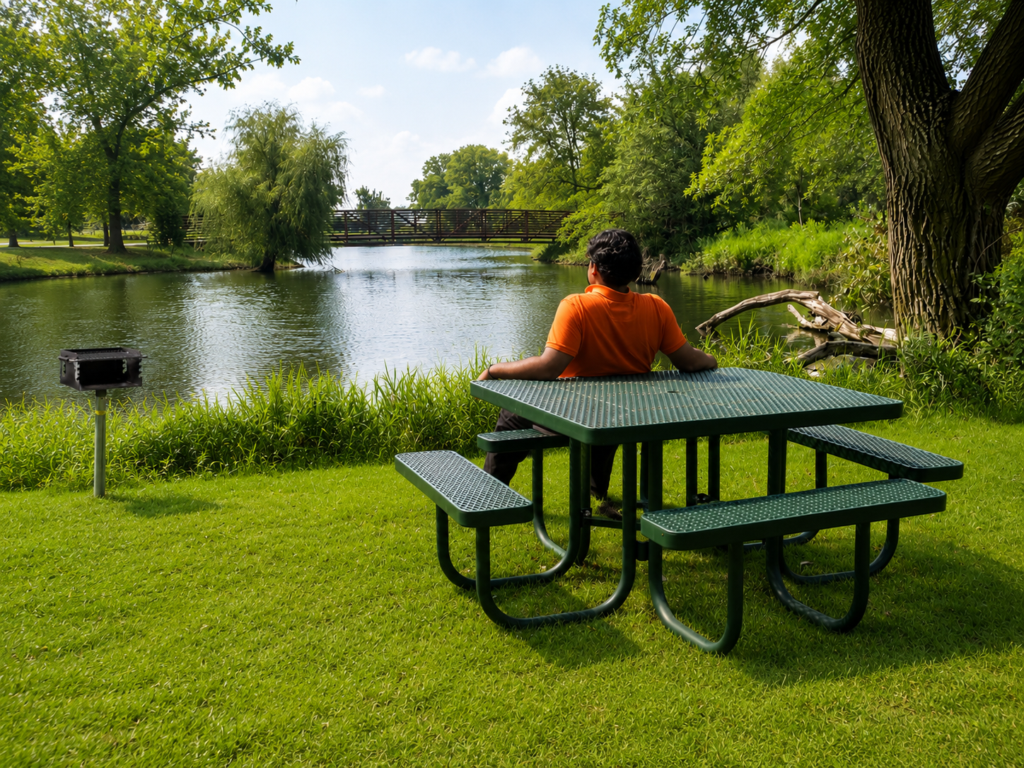
A park with walking paths and open fields serves joggers and dog walkers. Add picnic tables, grills, and bike racks, and that same park becomes the place where families celebrate birthdays, scout troops hold cookouts, and neighborhood associations host their annual potluck. The amenities are what convert green space from passive land into active community infrastructure.
That conversion is not hypothetical. The Trust for Public Land’s 2026 analysis found that city parks return roughly three dollars in economic benefit for every dollar invested, through increased property values, public health savings, and direct revenue from shelter and picnic area reservations. The return depends on two things: choosing amenities that drive real community use, and choosing construction quality that does not eat the return through replacement cycles.
At Premier Polysteel, we build the picnic tables, receptacles, and bike racks — and offer the grills and fire rings — that parks departments, campgrounds, HOAs, and universities use to build gathering zones that last. Our plastisol-coated steel furniture ships from our facility in Northwood, Iowa with a 20-year warranty. This guide covers the ROI case for investing in community gathering amenities, what a complete picnic zone actually requires, and why construction quality determines whether those amenities pay for themselves or become a recurring line item.
What a Picnic Zone Does to a Park Budget
Most parks budgets treat amenities as expenses. They are investments, and measurable ones.
The National Recreation and Park Association’s economic impact research found that local park and recreation agencies across the United States generate nearly $201 billion in economic activity annually. That number includes direct spending, but it also reflects the downstream effects that well-equipped parks create in their communities.
Property values tell the clearest story. Homes adjacent to or fronting a well-maintained, amenity-equipped park see value increases of 8 to 20 percent on average. The NRPA puts the conservative premium at 8 to 10 percent for properties abutting a passive urban park. Add active amenities like picnic shelters with grills, and the draw increases because the park becomes a destination, not just a buffer of green space between houses. That value increase only holds if the amenities stay functional. A park full of rusted-out grills and splintered tables drags values down rather than lifting them. Premier Polysteel’s 20-year warranty exists because our plastisol-coated steel does not rust, warp, or splinter in the first place.
Picnic shelter reservations generate direct revenue too. Municipal parks in cities like Saint Paul, Minnesota charge $160 for a full-day picnic shelter reservation from 8 a.m. to 8 p.m. Seattle manages 38 parks with reservable picnic shelters, 19 of which serve groups of 100 or more. Those reservations happen because the shelters have what groups need: picnic tables for seating, grills for cooking, receptacles for cleanup, and accessible paths connecting all of it. When a grill grate is missing or a table is too corroded to sit at, the reservation does not happen. The revenue depends on equipment that stays functional between every booking.
Here is where construction quality enters the equation. A park that installs powder-coated steel tables and consumer-grade grills will see those returns for 3 to 5 years before repainting, rust repair, and grate replacements start eating the margin. Premier Polysteel’s plastisol-coated tables, benches, and receptacles hold those returns for 20 years with zero maintenance cost deducted. The ROI is not just about what you install. It is about how long the installation keeps performing without consuming the budget it was supposed to improve.
Anatomy of a Gathering Zone
A gathering zone is not one product. It is a system where each element drives a different visitor behavior, and the combination creates a space people choose to spend time in rather than pass through.
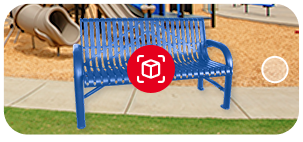
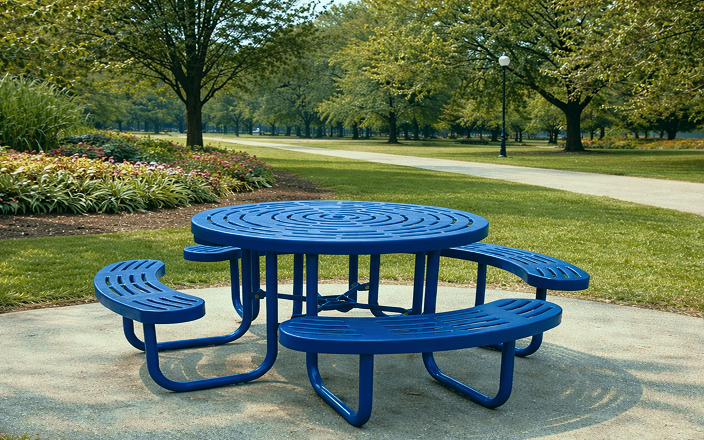
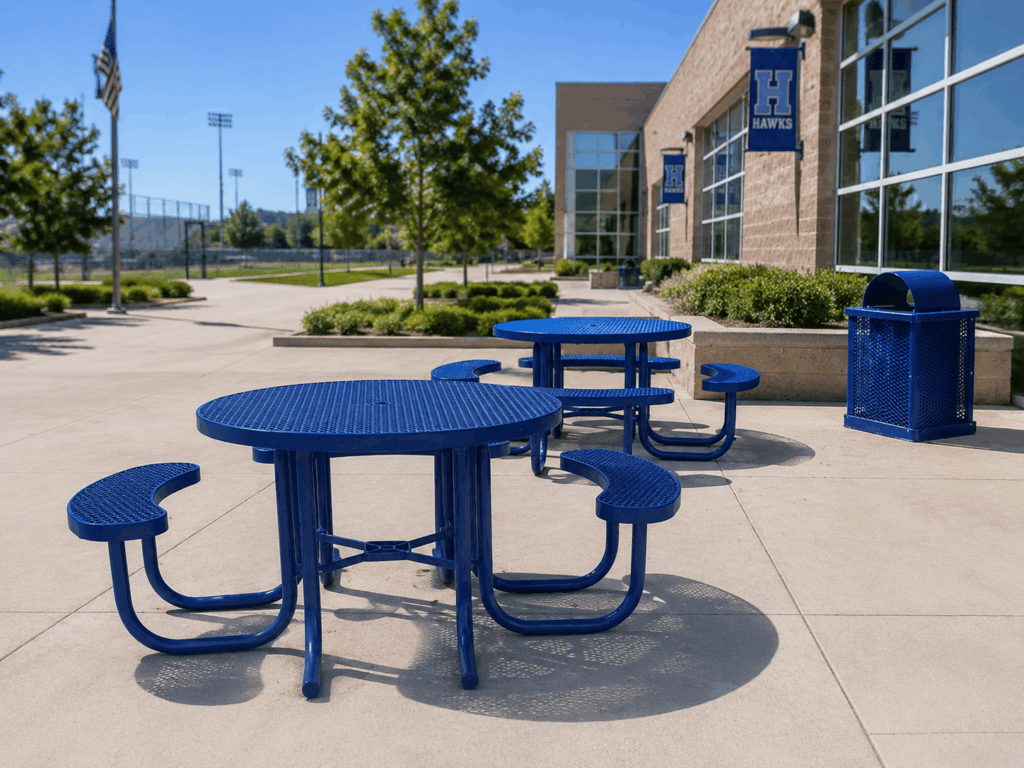
Picnic tables are the anchor. They give people a reason to stop, sit, and stay. The Champion picnic tables we build at Premier Polysteel use plastisol-coated steel with a 1/8-inch-plus coating bonded to every surface, including legs, braces, and the underside. No exposed metal anywhere means no rust, no sharp edges from corroded steel, and no hot surfaces that burn skin in July. Square, round, rectangle, and oval configurations handle different site layouts, and ADA-accessible options provide wheelchair clearance, extended tops, and stable construction for assistive devices. For spacing, 15 to 20 feet between table edges gives groups enough separation for private conversation without wasting parkland.
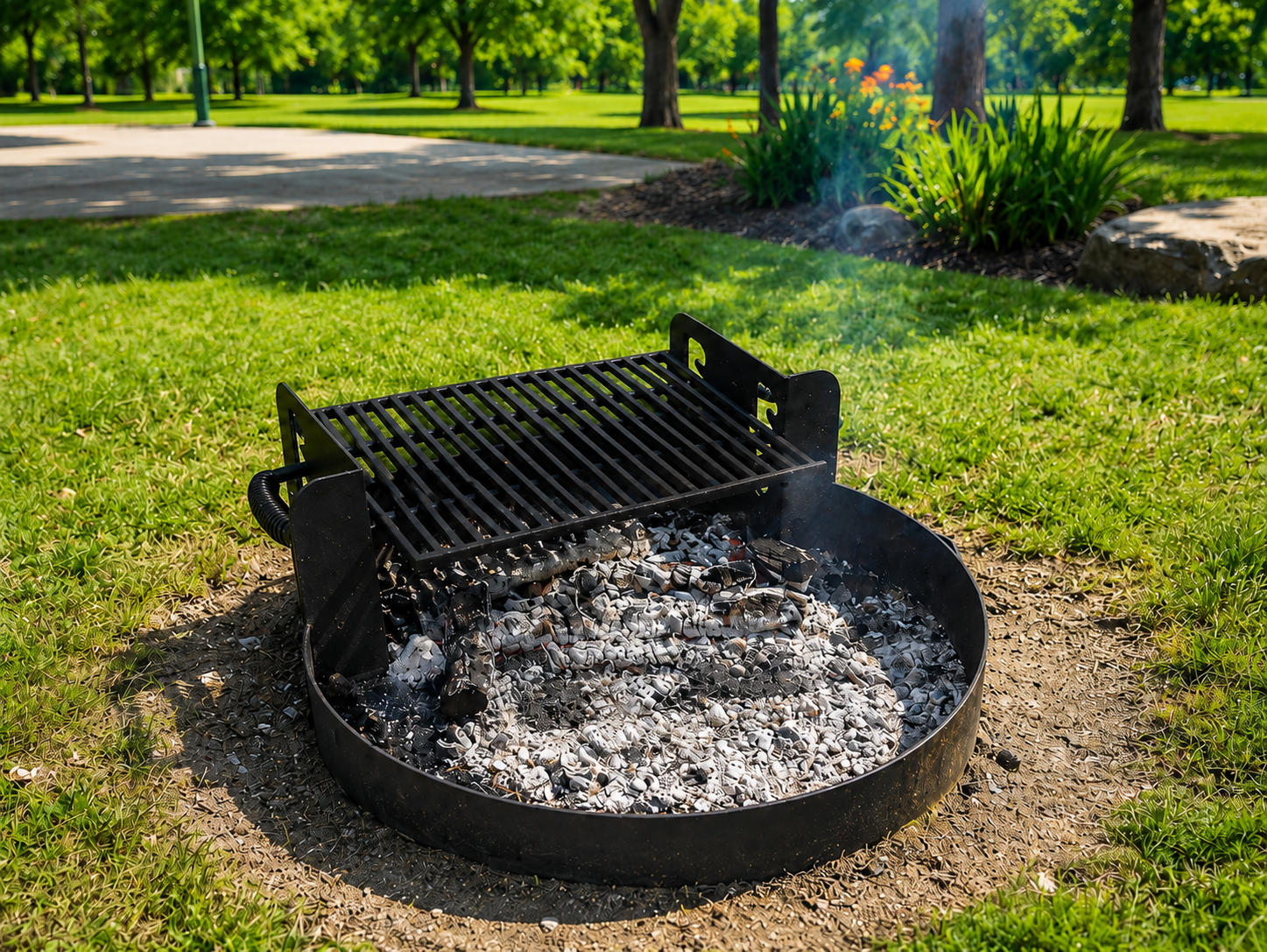
Grills and fire rings turn a picnic area from a lunch spot into a destination. Nobody reserves a shelter to eat sandwiches they brought from home. They reserve it to cook. The park grills we offer use 10-gauge steel plate fireboxes (0.1345 inches thick) that take direct flame and thermal cycling without warping. Cool-coil spring handles dissipate heat through air gaps between coils so nobody gets burned. Non-removable 1/2-inch diameter steel bar grates stay functional between every visit because they cannot be stolen, vandalized, or “borrowed.”
The covered grill models add hinged lids with four draft vents, 360-degree pedestal rotation, and a tip-up fire grate for fast ash cleanup. Fire rings serve campgrounds and nature-focused parks where open-flame cooking is part of the experience, and ADA-compliant options are available with adjustable cooking grate heights for wheelchair accessibility.
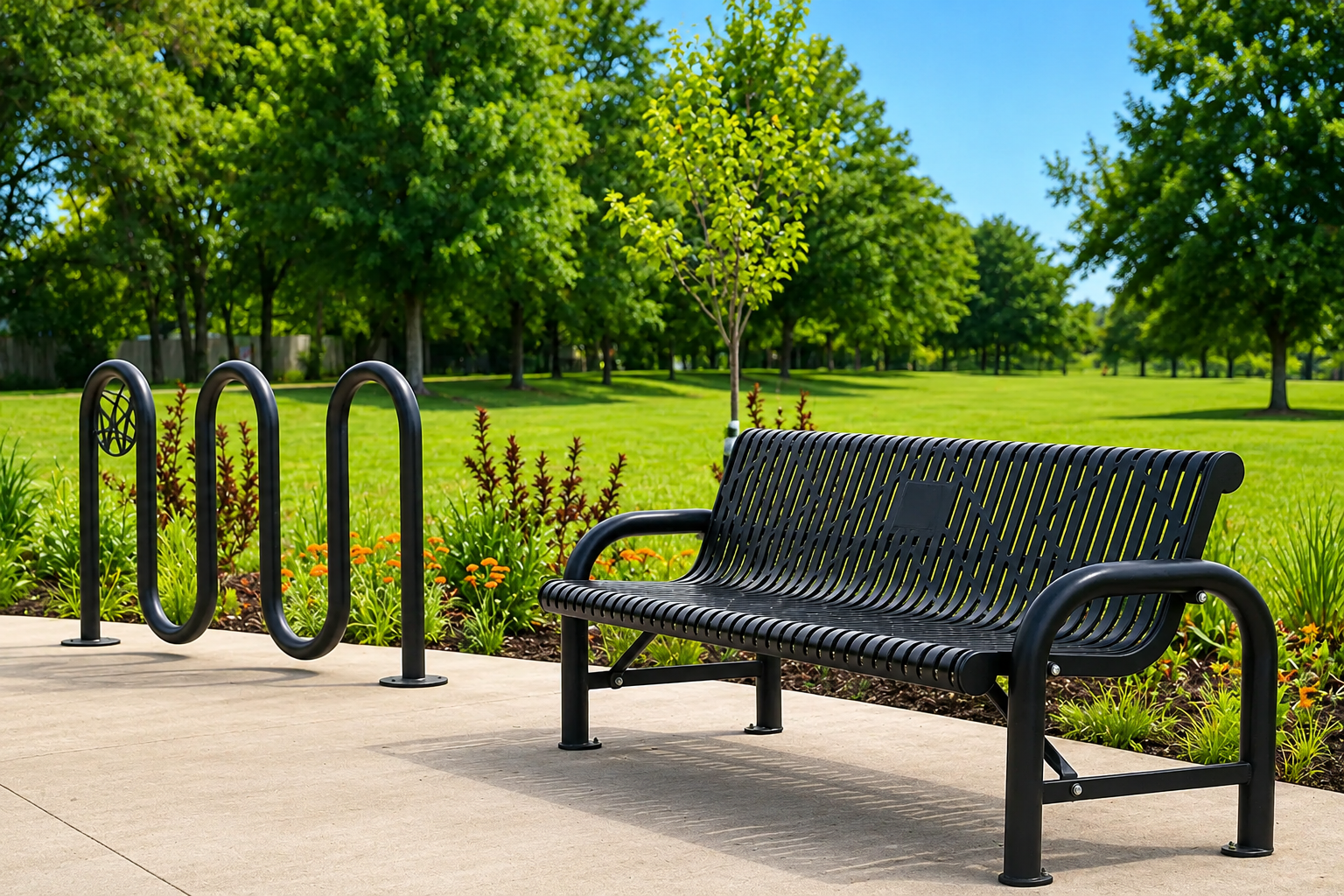
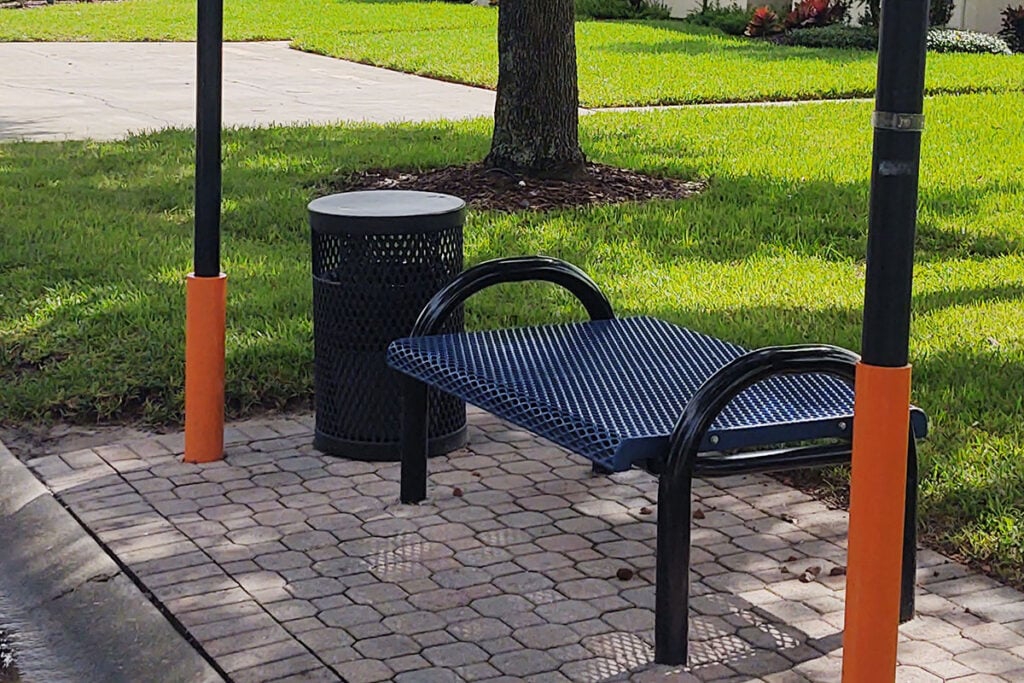
Receptacles are what keep a gathering zone from becoming a mess after every event. Premier Polysteel’s plastisol-coated steel receptacles come in 11, 22, 32, and 55-gallon capacities with flat, arch, or polydome lids. Place them within 30 to 50 feet of picnic tables. That distance is close enough to encourage use but far enough to keep odors away from eating areas. The plastisol coating matches the table and bench color palette, so the entire zone looks planned rather than pieced together from whatever was on sale.
Bike racks expand who can reach the gathering zone. Loop, t-post, and gate style designs mount permanently with surface or in-ground installation. The plastisol coating serves double duty: it resists rust and corrosion, and it will not scratch bike paint the way bare metal or chipped powder-coat racks do.
The advantage of sourcing your gathering zone from one place goes beyond procurement convenience. Premier Polysteel’s plastisol-coated furniture — tables, benches, receptacles, and bike racks — shares the same UV-stable color palette, the same coating technology, and the same 20-year warranty, and the grills and fire rings are finished to coordinate with it. A gathering zone where everything matches reads as intentional, professional, and maintained. A zone where every piece came from a different vendor and a different material reads as afterthought.
Why the Cheapest Amenities Cost the Most Over 20 Years
Parks departments, school districts, HOA boards, and university facilities teams all answer to someone about how they spend money. When a powder-coated picnic table needs repainting after three years, that is not just a maintenance task. It is a budget line item that someone has to justify, and it is money subtracted from the ROI the original investment was supposed to deliver.
Here is what the replacement math looks like for common alternatives.
Powder-coated steel tables typically need repainting every 2 to 3 years at $200 to $400 per unit in labor and materials. Over 20 years, that is $1,500 to $4,000 per table in maintenance alone, not counting the original purchase price. The Champion tables Premier Polysteel builds require zero repainting because the 1/8-inch-plus plastisol is bonded directly to the steel. It does not chip, peel, or fade. We coat every surface, including the parts nobody sees, because exposed metal anywhere is where rust starts.
Wood tables rot, splinter, and need staining annually. Splintered seats in a park are a liability issue, not just an aesthetic one. Replacement cycles for wood tables in public settings run 5 to 8 years. Plastisol-coated steel will never splinter, and the coating is mildew-resistant, which means no rot even in humid or waterfront environments where wood fails fastest.
Consumer-grade park grills installed in public settings last 5 to 7 years before grates warp, fireboxes rust through, or handles break. Over 20 years, that is 3 to 4 replacement cycles at $150 to $300 per unit, plus labor to remove the old grill and install the new one. The park grills we offer use 10-gauge steel and a high-heat black enamel finish that resists corrosion and thermal degradation. The non-removable grates mean the grill stays usable between maintenance visits instead of sitting grate-less until someone orders a replacement part.
Fewer replacements also means less material in landfills. A plastisol-coated picnic table installed once and used for 20 years produces less waste than three or four cheaper tables cycled through the same site over the same period. Buy once, never replace.
Planning Your Gathering Zone for Maximum Use
Site selection and accessibility planning determine whether a gathering zone investment performs or sits underused.
Drainage and ground conditions come first. Avoid low-lying areas where water pools after rain. Install tables and grills on non-combustible, well-draining surfaces like concrete pads or compacted gravel. Premier Polysteel’s in-ground pedestal grills mount with a 3.5-inch outside diameter steel pedestal, 40 inches long, designed for concrete footing installation. The weight of the unit plus the embedment depth prevents unauthorized removal, but the footing site needs to drain properly or standing water will drive visitors away regardless of how good the equipment is.
Proximity to support infrastructure matters. Position gathering zones within reasonable distance of restrooms, parking, and water sources. Too far, and families with young children will not use them. Surface mount kits anchor tables and benches to existing concrete pads, and receptacles can be secured with either surface mount or direct bury kits, so you do not have to choose between good placement and secure installation.
ADA compliance applies to the full zone, not just one table. Where two or more picnic tables are installed, at least one must meet ADA accessibility requirements. The same applies to grills and fire rings. Premier Polysteel builds ADA-accessible picnic tables with extended tops and wheelchair clearance, and ADA-compliant fire ring options are available with adjustable cooking grate heights. But the equipment alone is not enough. Accessible routes must connect parking areas, restrooms, and amenities using firm, level surfaces with appropriate slopes. Hard-packed surfaces with adequate wheelchair maneuvering space around accessible tables and grills complete the requirement.
Grill placement carries safety requirements that most park amenity guides skip. Install grills at least 15 feet from pavilions, playgrounds, and enclosed structures. Position them on non-combustible surfaces. Provide metal ash receptacles near every grill, because hot coal disposal in plastic trash receptacles is one of the most common fire incidents in parks. The covered grill models with tip-up fire grates make this easier by letting maintenance crews dump ash directly into a metal container without touching the coals.
Frequently Asked Questions
What amenities should a park picnic area include?
A complete park picnic zone includes picnic tables for seating, grills or fire rings for cooking, receptacles for waste management, bike racks for access, and accessible routes connecting all amenities. Premier Polysteel offers all five categories. Our plastisol-coated steel tables, benches, receptacles, and bike racks are built in Northwood, Iowa with a matching UV-stable color palette and a 20-year warranty, and grills and fire rings round out the cooking setup.
How do park amenities affect property values?
Research shows that homes adjacent to well-equipped parks see property value increases of 8 to 20 percent. The National Recreation and Park Association estimates a conservative 8 to 10 percent premium for properties near passive urban parks, with higher premiums for parks that include active amenities like picnic shelters, grills, and recreational facilities. The key factor is amenity condition. Rusted, broken, or missing equipment reduces the premium rather than increasing it.
How long do commercial park amenities last?
Lifespan depends entirely on construction material. Consumer-grade grills installed in public settings typically last 5 to 7 years. Powder-coated steel tables need repainting every 2 to 3 years and full replacement in 8 to 12 years. Premier Polysteel’s plastisol-coated steel picnic tables, benches, receptacles, and bike racks carry a 20-year warranty, and the construction routinely outlasts the warranty period because the plastisol coating eliminates the rust, UV degradation, and surface failure that causes other materials to fail.
Build the Gathering Zone Your Community Will Actually Use
The difference between a park people drive past and a park people drive to is almost always the amenities. Picnic tables give them a place to sit. Grills give them a reason to stay. Receptacles and bike racks prove the space is maintained and accessible. Together, those elements turn underused green space into the community gathering zone that justifies the investment and then some.
Find your local Premier Polysteel representative to get a quote for your site. Our plastisol-coated steel furniture is manufactured in Northwood, Iowa and backed by a 20-year warranty, with grills, fire rings, and accessories to complete the space.
For more on how the coating technology compares, read the guide to plastisol vs. thermoplastic finishes.